


Wordfeud Premium
4.813.95K Reviews
App Specs
- Version
- Varies with Device
- Updated On
- License
- $5.99
- Downloads
- 500,000+
- Developer
- Bertheussen IT
- Categories
- Word
- Platform
- Android, iOS
Screenshots
 Analysis by AppCompare
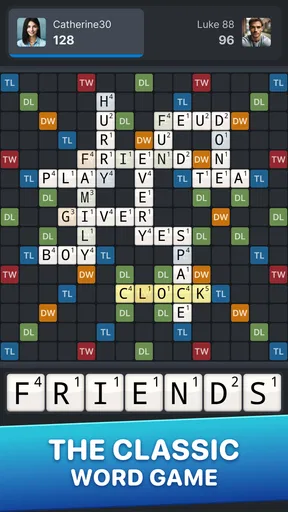
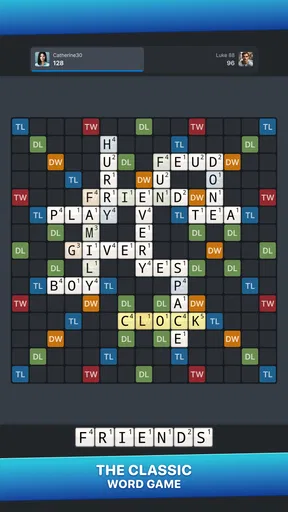
I judge a word game partly by how easy it is to return to after a distraction, and Wordfeud Premium makes a good case for that kind of stop-and-start play. It is a paid multiplayer word game from Bertheussen IT, released in 2010, and its basic appeal is simple: build words on a shared board and make each move count. I like that the challenge comes from both vocabulary and placement, rather than from speed or elaborate presentation.
Who will enjoy its pace
This is a good fit if you enjoy Scrabble-style play but don’t need every match to happen in one sitting. A game can sit alongside the rest of your day: you make a move when you have a moment, then return when your opponent has replied. That rhythm suits friends with different schedules, family members who live apart, or anyone who wants a small mental diversion between tasks. If you prefer quick rounds, immediate feedback, or a strong solo campaign, this slower, opponent-dependent format may feel like a poor match.
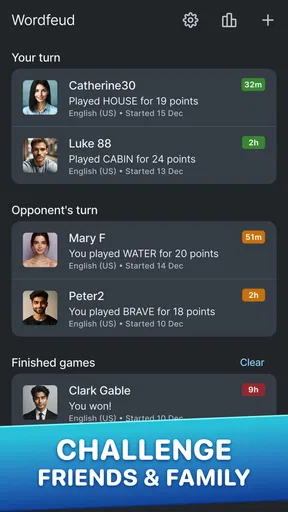
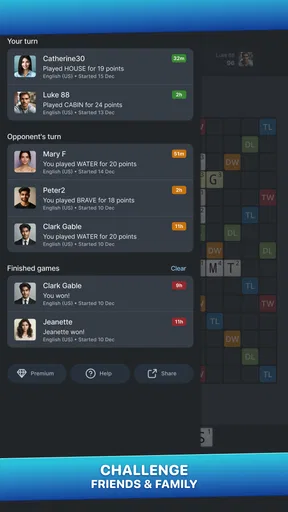
In a typical day, I might start a match over breakfast, leave it alone while working, and check back later when I have a quiet few minutes. The useful part is not simply having several games available; it is being able to choose whether I want a light, familiar match or a more demanding board to think through. I would avoid starting more games than I can comfortably follow, though. A crowded set of unfinished matches can turn a relaxing pastime into a list of obligations.
How the board changes your choices
Different board layouts make the same letter rack call for different decisions. Rather than reaching automatically for the longest word, I look at where a word lands and what opportunities it leaves for the other player. A shorter placement can be smarter if it uses a valuable square or avoids opening a useful route across the board. That tactical layer is what keeps a familiar word-game format interesting for me.
A practical habit is to scan the open spaces before settling on a word. Check whether a placement could give your opponent an easy scoring opportunity, then compare that risk with the points you gain immediately. When I am playing casually, I may take the satisfying word; when the match is close, I spend longer weighing the board. The game rewards that kind of attention, but it can also expose a limitation: if you do not enjoy planning around an opponent’s possible replies, the strategy may feel like needless homework.
Language, conversation, and competition
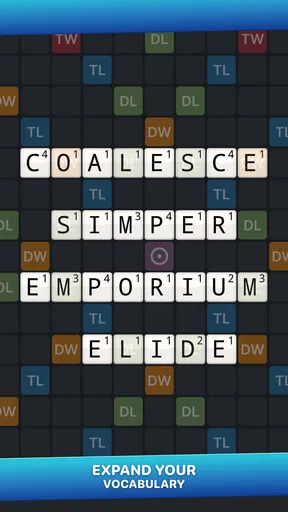
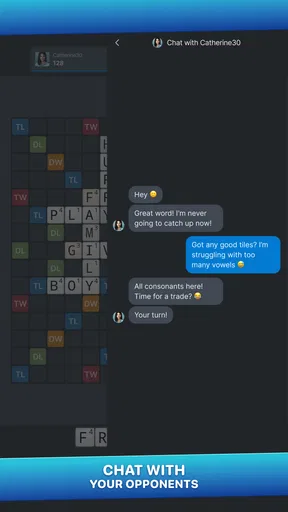
Playing in another language can make a familiar format feel fresh, but I would treat it as a game first and a learning aid second. Trying a language you already know a little can prompt you to recall words and notice spelling, while an unfamiliar vocabulary can make turns frustrating rather than educational. I also find it helpful to agree on the mood of a match with a friend: the chat can make play warmer, but not every opponent will want to talk, and competitive banter is not everyone’s idea of fun.
The statistics give competitive players something to reflect on between matches, but I would use them as a record, not a verdict on skill or vocabulary. A win-loss figure can shift for reasons beyond how well you played, and focusing on it too closely can drain the fun from a casual game. If you mainly want a quiet solo puzzle, the social and opponent-based design is a real distinction from single-player word apps, not a feature you can simply ignore.
Worth Reading Before You Choose

EA SPORTS FC Mobile 26 Is a Bigger Football Game, but It Takes Time

Flipboard Shows What News Apps Must Do Beyond the Feed

Switching to Android Auto Means Rethinking Your Driving Routine

Google Calendar Makes a Crowded Week Easier to Manage

Ludo King Makes the Most of the Minutes Between Plans

Baby Panda World Brings Quick Play to Modern Phones, but Its Game Library Feels Busy
Price and expectations
The game costs $5.99, and its 4.8 average from around 111,000 ratings suggests that many players enjoy the format. It has over 500,000 installs, carries an Everyone age rating, and has around 14,000 written reviews. I see the price as easiest to justify if you expect to play regularly and value an uninterrupted paid experience; a free alternative makes more sense if you only occasionally want a word puzzle or are unsure whether asynchronous multiplayer suits you.
Compared with the usual options, the main trade-off is between a shared, turn-based match and a self-contained puzzle. A solo word game is better when you want to start and finish on your own schedule; a fast head-to-head title is better when you want instant back-and-forth. Here, I would choose a familiar opponent if I wanted relaxed conversation, or a random one when I wanted a match without arranging a time. Either way, the game works best when you are comfortable waiting between turns.
Readability and navigation
When I open a game, the board is the focus, which makes the overall presentation feel direct rather than decorative. That restraint is useful in a word game: I want to study the letters and spaces, not hunt through visual effects. The straightforward interface also lowers the learning curve for someone who already understands this style of play. Still, a clean layout is not the same as being equally comfortable for every player; anyone who relies on larger text, stronger contrast, or particular screen-reader support should check the game on their own device before paying.
Motor and sensory considerations
The turn-based pace is a practical advantage for players who need time to consider a move or cannot keep up with real-time competition. There is no need to make every decision in a rapid sequence, and the option to return later can make play easier to fit around changing energy or attention. On the other hand, placing letters on a board still depends on interacting accurately with small, adjacent spaces. If precise tapping is difficult, I would test a short session first and see whether selecting and positioning tiles feels manageable.
The uncluttered design may also be more comfortable than a game full of motion and sound, especially for someone who wants the board to remain the main point of focus. I would not assume that this automatically covers every sensory need. Screen brightness, text size, and the way the board appears on a particular phone can all affect comfort, so a player who is sensitive to visual detail should try it in the lighting and screen settings they normally use.
Getting Started with Wordfeud Premium
Installing Wordfeud Premium was a breeze. Once you fire it up, you’re greeted with a clean and straightforward interface. It’s intuitive enough that even if you’re not tech-savvy, you won’t find yourself fumbling around trying to figure out what’s what. The app lets you jump right into a game with friends or random opponents, which is perfect if you’re looking to dive straight into the action.
Gameplay Experience
The gameplay is where Wordfeud Premium truly shines. It follows the classic format of creating words on a board, but with the added twist of customizable boards. You can select different layouts, which keeps the game from getting stale and challenges you to think differently each time. The premium version is ad-free, which is a huge plus in my book. No one likes interruptions when you’re on a winning streak, right?
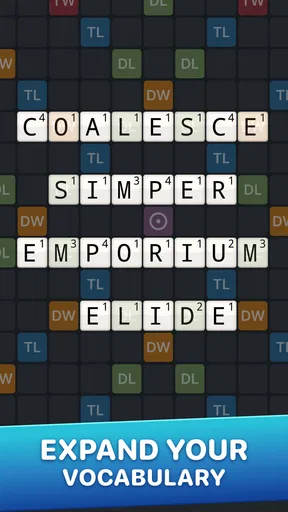
Each match is a test of your vocabulary and strategy skills. The scoring system rewards not only long words but also clever placement. The game supports multiple languages, so if you’re bilingual or just want to switch things up, you’re covered. I tried the Spanish version for a bit, and it was a fun way to brush up on my skills while playing.
Features and Functionality
One of the standout features for me is the ability to play multiple games simultaneously. If you’re someone who enjoys multitasking or just likes keeping things dynamic, this is a feature you’ll appreciate. You can have up to 30 games going at once, which means there’s always something to come back to.
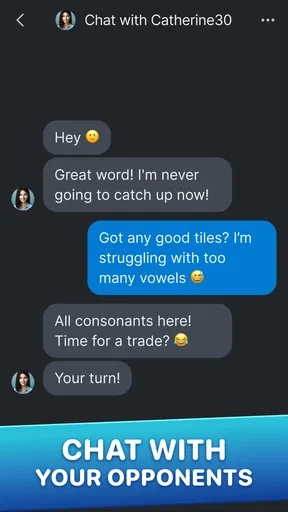
The app also offers a chat function, allowing you to communicate with your opponents. Whether you’re trash-talking or just chatting, it adds a social element that I found quite engaging. Plus, the app keeps track of your statistics, so if you’re competitive like me, you’ll love keeping an eye on your win-loss ratio.
Visuals and Design
While Wordfeud Premium isn’t the most visually stunning game out there, its simplicity works in its favor. The design is minimalistic and focused, which helps keep your attention on the gameplay rather than unnecessary distractions. It runs smoothly on both Android and iOS, without any noticeable lag or crashes during my time with it.
Overall Thoughts
In conclusion, Wordfeud Premium is a solid choice for anyone who loves word games. Its customization options, ad-free experience, and ability to play multiple games at once make it a versatile and enjoyable app. Whether you’re killing time on your commute or settling in for a long game night, this app has got you covered. If you’re a word game enthusiast, it’s definitely worth the upgrade from the free version.
So, if you’re ready to challenge your brain and have a bit of fun along the way, why not give Wordfeud Premium a try? Trust me, you won’t be disappointed.
Situational access and everyday fit
Because matches unfold over turns rather than demanding one uninterrupted session, I find the game easier to fit around commuting, waiting rooms, or a break between chores. I would still be mindful of where I play: a small board and close-together tiles can be less comfortable to inspect while walking or in a moving vehicle. It works best when I can pause, look carefully, and make a move without rushing.
The multiplayer format also means that access depends partly on another person’s pace. If an opponent takes time to respond, that is normal for this style of game, but it can frustrate someone who wants a dependable burst of entertainment on demand. For that reason, I would start with one match and see whether the waiting feels pleasant before inviting several people or opening many games.
What to check before choosing it
Does the paid version make sense if I already have a free word game? For me, the answer depends on how much I value ad-free play and matches against other people. If I only want a quick daily puzzle, a free solo option is likely the more sensible choice. If I expect to play often with friends and enjoy thinking through a shared board, the one-time purchase is easier to understand as payment for a format I will actually use.
Can it help with language practice? It can give a bilingual player a playful reason to recall words, but I would not rely on it as a structured lesson. I would choose a language in which I can already make sensible moves, then treat unfamiliar words as prompts to look up later rather than expecting the game itself to teach them. That keeps the match enjoyable and avoids confusing a score-driven contest with a learning course.
Is it a good choice for younger players or mixed-age households? Its Everyone age rating makes it broadly suitable from an age-content perspective, and the familiar word-board format can be shared across generations. I would still consider whether the individual player is comfortable with the screen, turn-taking, and contact with opponents before handing over a device. The age rating does not replace that practical judgment.
Inclusive verdict
I see Wordfeud Premium as most welcoming to people who like a calm pace, readable board-focused play, and the freedom to think before acting. The ability to return to a match later is a meaningful advantage for changing schedules and attention, while different layouts and languages offer ways to vary play without changing its basic rules. Its strongest inclusive quality is that it does not rely on speed to create competition.
There are real limits: tile placement calls for careful touch interaction, a compact board may not suit every screen or vision need, and the social format can be less comfortable for players who prefer to avoid opponents or chat. I would try it on the device and in the conditions where I expect to play, especially if visual clarity or precise tapping matters to me. If those basics feel comfortable, this is a thoughtful, low-pressure word game; if I need a solo experience, a faster pace, or more accessible controls, I would choose a different word app instead.
Pros
- Ad-free experience enhances gameplay.
- Wide variety of language options available.
- Offline mode for uninterrupted play.
- Customizable board themes add fun.
- Cross-platform multiplayer support.
Cons
- No single-player mode available.
- Requires internet for multiplayer.
- Limited in-game tutorials for beginners.
- No chat feature in offline mode.
- Higher cost compared to free version.
FAQs for Wordfeud Premium
What is Wordfeud Premium, and how does it differ from the free version?
Wordfeud Premium is an enhanced version of the popular word puzzle game, Wordfeud. The premium version offers an ad-free experience, allowing users to enjoy uninterrupted gameplay. Additionally, it provides access to more customization options, such as changing board and tile colors, and supports playing multiple games simultaneously without the distraction of advertisements.
How do I install Wordfeud Premium on my device?
To install Wordfeud Premium, visit the Google Play Store for Android devices or the Apple App Store for iOS devices. Search for 'Wordfeud Premium' and select the app. Follow the prompts to purchase and download the game. Ensure your device meets the app's requirements for a smooth installation process.
Can I play Wordfeud Premium offline?
Wordfeud Premium primarily requires an internet connection to play, as it involves multiplayer interactions and updates. However, you can play offline by setting up local games with friends or using practice boards. Keep in mind that features like chat and global leaderboards will not be accessible without an internet connection.
Is Wordfeud Premium suitable for all ages?
Wordfeud Premium is suitable for a wide range of ages, providing a family-friendly gaming experience. It enhances vocabulary skills and strategic thinking, making it an excellent educational tool for children and adults alike. However, parents should supervise younger children during online interactions to ensure a safe gaming environment.
How can I contact support if I encounter issues with Wordfeud Premium?
If you experience any issues with Wordfeud Premium, you can contact the support team through the app's settings menu, where you'll find a 'Help' or 'Support' section. Alternatively, visit the official Wordfeud website for additional support resources and contact information. They typically respond promptly to resolve any problems.


